
What makes a brand memorable is the thing it refused to simplify
Anyone can make it faster now. Which is exactly why the slow detail says the most.
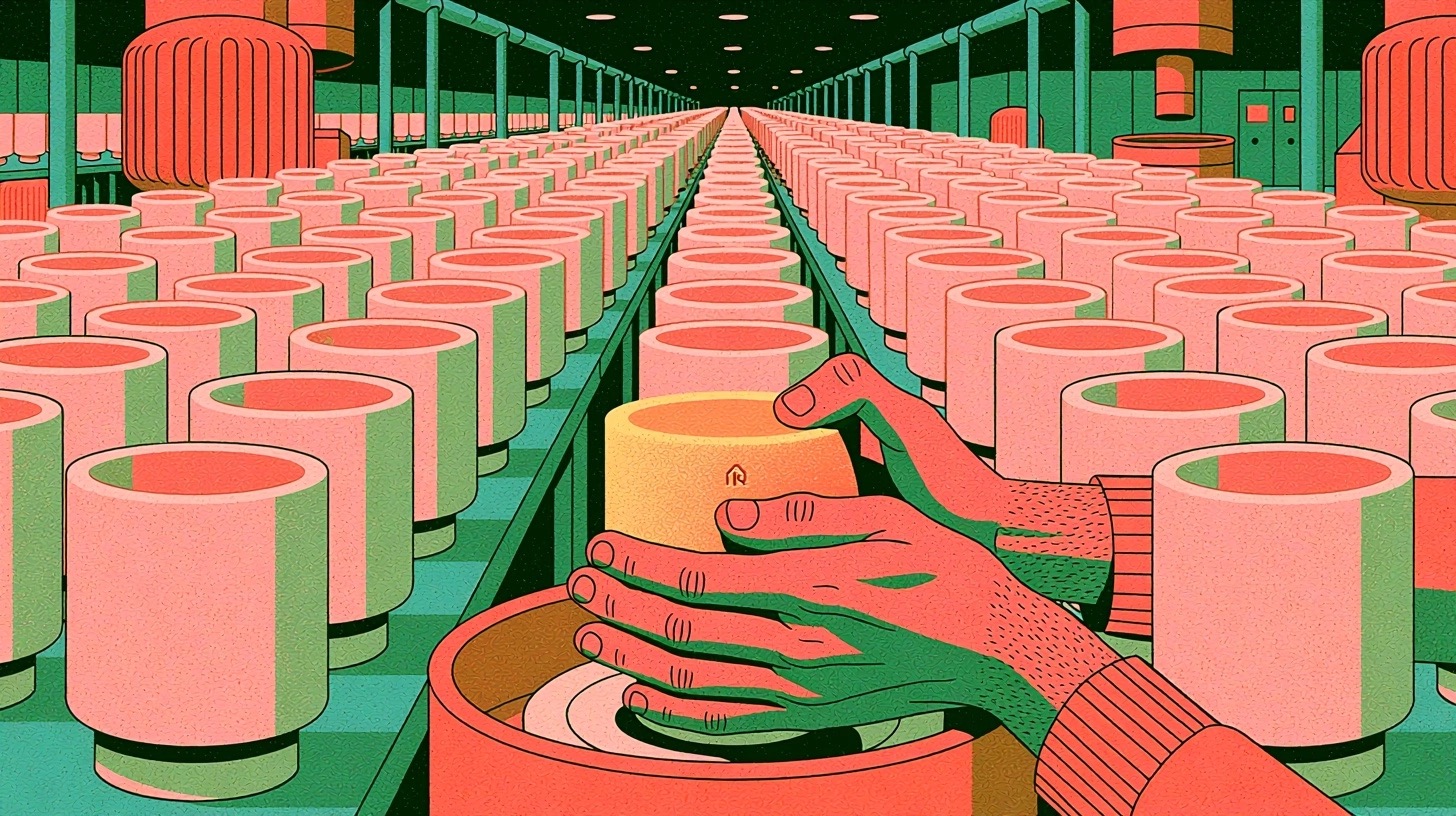
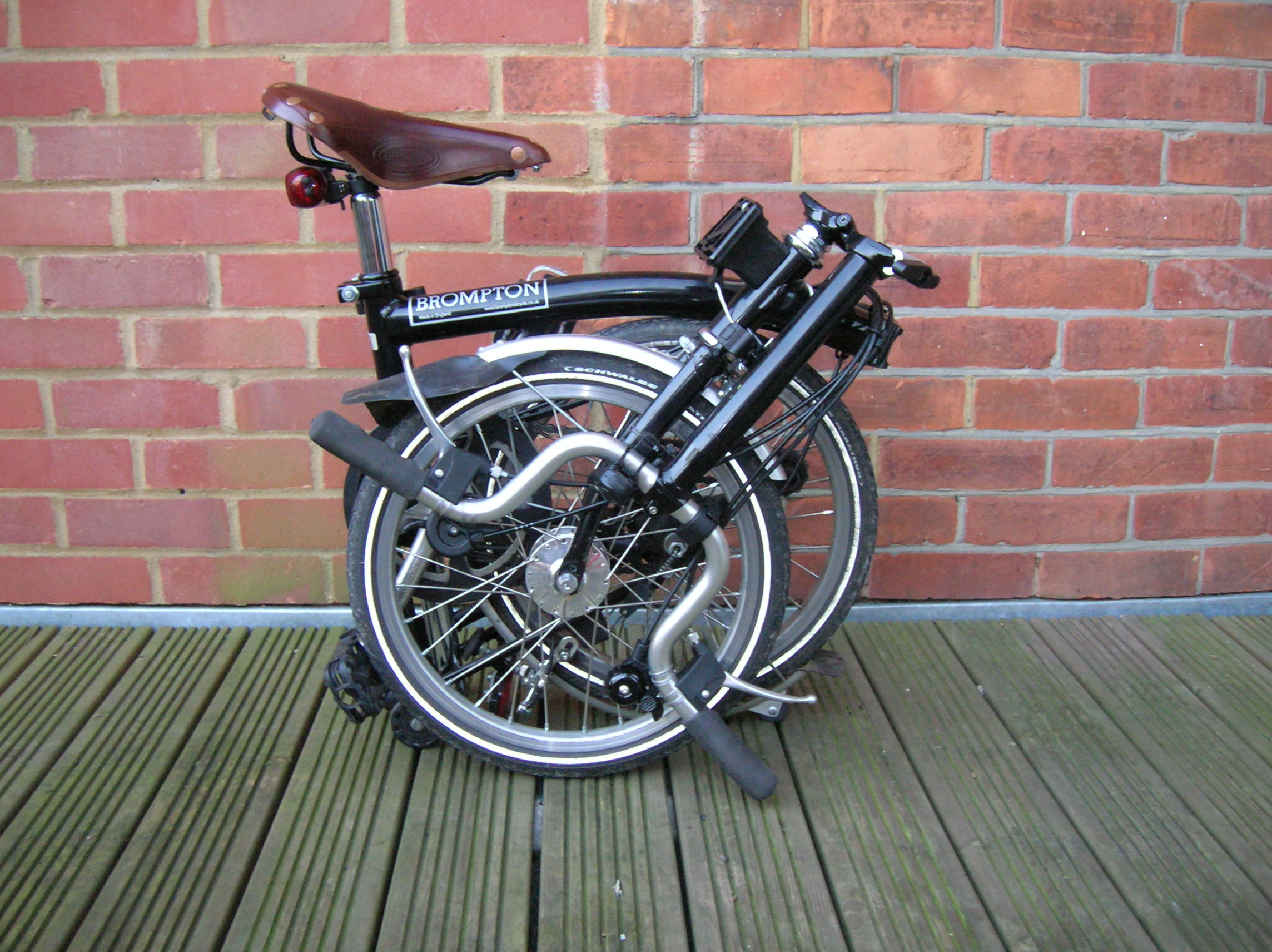
In a workshop in west London, a person picks up a torch and joins two steel tubes by hand. It is called brazing, and it is how every Brompton frame is made. Brompton says it trains its brazers for eighteen months. When a frame is finished, its maker leaves a small mark on it, so the person who built your bike is a specific person, not a line on a spreadsheet. Brompton could have automated this long ago. It chose not to.
So, what makes a brand memorable? Usually, it is the one thing the brand refused to make easier. The costly detail, kept on purpose, is the part people remember, and the part a competitor cannot copy without meaning it too.
That runs against the going advice, which is to simplify everything. Strip the logo. Flatten the palette. Round off the edges until nothing catches. Simplicity is good counsel most of the time. But taken all the way to the end, it produces brands that are clean, correct and completely forgettable. When everyone sands down the same corners, the corner you keep is the one that gets noticed.
Why the deliberate detail earns trust
A detail you kept the hard way sends a signal a shortcut cannot fake. It says someone chose this, and the choice cost them something. That is the whole point. Anyone can add a flourish. Almost no one will keep a slower, more expensive way of doing a thing once a faster way exists. So when you do, it reads as conviction, because that is exactly what it is.
This is the spine of how we think about brand at Fingerprints. A brand is not the surface. It is everything the company decided, made visible. The memorable detail is not a style choice. It is the part of that thinking you can actually see.
Hiut kept the hard version on purpose
Hiut Denim makes jeans in Cardigan, a town in Wales that used to make a great many of them. As Hiut tells the story on its own site, for nearly forty years a local factory turned out tens of thousands of pairs a week for a large retailer. In 2002 the work moved abroad and the factory closed, taking around four hundred jobs with it in a town of only a few thousand people. The skills stayed, though, sitting idle in the people who had them.
David and Clare Hieatt started Hiut in 2011 to put those people back to work doing the one thing they were the best in the country at. The company keeps a three word idea pinned to everything it does: do one thing well. It makes only jeans. It makes a tiny fraction of what the old factory made, by hand, and it is in no rush to make more. Every pair carries a HistoryTag, a unique code that lets the owner record where the jeans went and what they did in them, so the object keeps a story instead of simply wearing out.
None of that is the efficient way to sell trousers. That is precisely why it works. Hiut did not simplify the making down to the cheapest possible version. It kept the hard version, named it, and made the constraint the brand.
Le Labo made the slow part the point
Walk into a Le Labo shop and your fragrance is not sitting on a shelf, waiting. It is blended for you once you order it, then poured and labelled by hand. The label is printed there and then with the name of the scent, the city it was made in, the date, and your name. The perfume house was started in 2006 in New York by Fabrice Penot and Eddie Roschi, who called the idea slow perfumery, a sly dig at an industry built on speed and spectacle.

Every part of that is slower than it needs to be. A pre bottled, pre labelled product would be cheaper to make and quicker to sell. Le Labo kept the ritual because the ritual is the brand. The label with your name on it is not a flourish. It is a promise that this bottle was made for one person, printed in ink you can read.
Royal Enfield still paints the line by hand
Closer to home, in Chennai, Royal Enfield builds motorcycles in modern plants with robotic paint systems. The gold pinstripes on a Bullet’s tank are not part of that automation. On the Bullet and select models they are still painted freehand by craftsmen whose skill, as the company tells it, has been passed down through generations at its Tiruvottiyur factory. Royal Enfield calls them Madras stripes, and its own spec sheet lists the “unique hand-painted pinstriped tank” the way rivals list horsepower.
A sticker would be cheaper and perfectly straight. That is what makes it worthless. The slight waver of a painted line is how you know a hand was there, and one hand-painted line on a mass-produced machine says more about what the company believes than any campaign could.
Aesop refused the template
Most retail chains find one store design and repeat it everywhere, because a template is cheaper, faster, and keeps everything consistent. Aesop, the Australian skincare brand, does close to the opposite. It has built well over a hundred shops around the world, and it works with local architects to make each one a response to its own street rather than a copy of the last. A shop in Kyoto does not look like a shop in London.
Its founder, Dennis Paphitis, has said his fear was the brand becoming a soulless chain, the sort that looks identical in every airport. So Aesop pays for the harder path on purpose. Same products, same values, a different room each time. The refusal to standardise the space is the thing people remember about walking into one.
What this means when everything is easy
Here is why this matters more now, not less. We have arrived at a moment where nearly anything can be generated in seconds. The photo, the copy, the logo, the layout. When making something is effortless, the effort itself becomes the signal. The detail that clearly took skill, time, or a stubborn refusal to cut a corner is now the clearest way to say that a human being cared.
This is a fundamental worth revisiting, not a new trick. Craftspeople have always known that the mark of the hand is what separates the made from the manufactured. What is new is the contrast. When the frictionless version is everywhere and free, the made thing does not merely look different. It carries intent, and intent is what people trust.
So the question for your brand is not what to add. Most brands have added plenty. The question is what you would refuse to simplify, even when a faster, cheaper, cleaner version is right there and everyone would understand if you took it. Find the one detail you would keep on principle. That is not an indulgence. That is the brand.
Frequently asked questions
What actually makes a brand memorable?
Usually one deliberate detail the brand refused to simplify, kept even when a cheaper, faster version was available. That kept detail carries intent, and people remember intent far longer than they remember polish.
Does craftsmanship still matter for branding when AI can generate everything?
More than before. When anything can be generated in seconds, visible effort becomes the signal. A detail that clearly took skill, or a stubborn refusal to cut a corner, is now the clearest way to show that a human cared.
How do I make my brand distinctive without a big budget?
Distinctiveness is not about spending more. It is about refusing to standardise the one thing everyone else flattens. Pick the single detail you would keep on principle, and let that be the thing you are known for.